How to Use and Smarten Up on a Credit Card: Using It Wiser, Not Just Harder
Are credit cards a friend or a foe? Master the 13 essential rules to use credit cards as a wealth-building tool, avoid high-interest debt, and boost your credit score.
Introduction: Credit Cards—Friend or Foe?
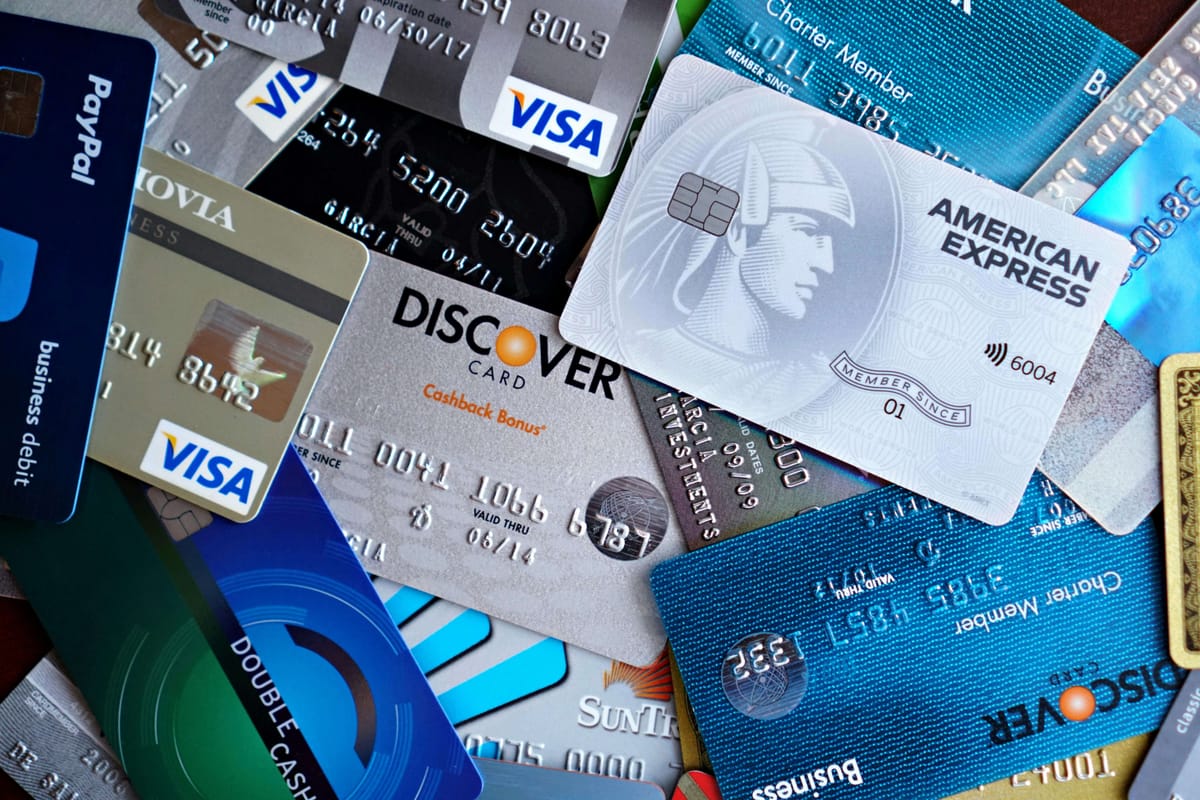
There is no financial instrument quite like a credit card. When used correctly, it can help you build credit, receive rewards, and maintain healthy cash flow. However, in the wrong hands, they can result in high-interest debt, excessive fees, and financial strain. The positive news is that with the right knowledge, credit cards can be utilized as a tool for your benefit rather than a liability.
In this guide, I will share essential tips to help you use your credit cards responsibly, prevent debt, and remain financially fit—wherever you are in the world.
As I mentioned in my previous article about [My 8-Year Financial Freedom Journey], using credit cards effectively requires the same kind of strategic mindset and discipline to turn a potential liability into a powerful asset.
1. Learn the Fundamentals of Credit Cards
It is important to know the basics before you swipe:
- Credit Limit: The maximum amount the bank allows you to borrow.
- APR (Interest Rate): The annual cost of borrowing if you don't pay your balance.
- Minimum Payment: The smallest sum you must pay to avoid penalties (though paying only this will lead to debt).
- Billing Cycle: Usually 28–31 days; your statement is generated at the end of this period.
- Grace Period: The window of time where you can pay your entire balance before interest is charged.
Thought: Always stay informed about your card’s specific terms and conditions before using it.
2. The Golden Rule: Pay the Balance in Full Each Month
The best preventive measure against credit card debt is ensuring the balance is paid entirely every single month.
- It avoids interest payments completely.
- It maintains a healthy credit score by keeping utilization low.
- It inhibits the accumulation of dangerous debt.
The Hack: Treat your credit card as if it were cash. If you don't have the money in your bank account today, don't put it on the card.
3. Keep an Eye on Spending
Using credit cards can encourage overspending because you aren't physically handing over cash. Keep track of your transactions instantly using your card’s mobile application and place a cap on your daily or weekly spending.
4. Avoid Impulse Purchases
Credit cards can tempt you to purchase things you do not require. For non-essential items, wait at least 24 hours before buying. If you still feel the need after a day has passed, only then should you consider it.
5. Be Acquainted with Interest Rates and Fees
Small purchases can easily turn into huge debt due to high interest rates. Beware of annual charges, late payment fees, and cash advance charges (which often have much higher interest).
6. Keep Low Credit Utilization
Credit utilization is the percentage of your total credit limit that you are actually using. Professionals suggest maintaining a utilization rate of less than 30%. Utilizing your credit too heavily can harm your credit score.
7. Pay Monthly Bills on Time
Late payments damage your credit report and cost you money in penalties. Set up an automatic minimum payment or calendar reminders so that you never miss a due date.
8. Select the Right Credit Card
Select a card that aligns with your specific financial objectives:
- Reward cards: Best for cashback and travel miles if you pay in full.
- Low-interest cards: Useful if you anticipate needing to carry a balance occasionally.
- Secured cards: The best choice for first-time credit builders.
9. Be Wise with Rewards and Perks
Remember: rewards are bonuses. Do not spend extra money just to get points. If you pay interest, it will likely wipe out the entire value of any rewards you earned.
10. Monitor Your Credit Score
Regularly monitoring your credit score allows you to detect mistakes on your report and prevent fraud. Free tracking is available through most banks—make it a habit to check monthly.
11. Do Not Spend Credit on Irrelevant Luxuries
Credit cards should not be used to fund "lifestyle inflation." Avoid borrowing for holidays, gadgets, or other luxuries unless you have the cash to pay them off immediately.
12. Protect Yourself from Fraud
Protect your card details when shopping online and ensure transaction alerts are turned on. Immediately notify your bank about lost or stolen cards to take advantage of zero-liability protection.
13. Credit as a Mechanism for Accumulating Wealth
Prudently used, credit cards are a great way to establish long-term financial security. A strong credit rating allows you to secure better rates on bigger loans (such as home loans), which enables you to build your investment portfolio.
Concluding Remarks: Use Credit Cards Wisely
Moderation in the present brings prosperity in the future. Using a credit card intelligently generates monetary liberation, incentives, and trust.
Quick Summary:
- Stay informed on the terms.
- Pay in full every month.
- Keep utilization below 30%.
- Avoid unnecessary debt.
- Check your score regularly.
"Financial discipline is the gap between a goal and its achievement."
Keep On, Finnly Joy
Disclaimer: This article is for educational and motivational purposes only. I am not a financial advisor. Credit cards involve financial risk; please conduct your own research or consult a professional before making major financial moves.