How to Invest $100 to Build Long-Term Wealth (The Psychology and The Assets)
Think $100 is too small to build wealth? Think again. Discover how to shift your financial mindset and deploy your first $100 into smart, low-cost assets that compound into long-term wealth—even if you live paycheck to paycheck.

Let’s face it, $100 (or £80) isn't much these days in the US or UK. It could be a regular weekend dinner date, gas, or a couple of grocery bags. Due to its tiny size, it is generally spent rather than invested. People believe that they can't purchase an entire share of a large tech firm or a real estate possession with this, so they ask: why should I even bother?
That is the ultimate financial trap.
Successful investing for the long term is not about waiting until you have ten thousand dollars to start! It’s about behavior. You will never have the discipline to invest $10,000 if you don't get used to investing $100. Your hundred-dollar bill is not only money—it's a seed.
This is the turning point if you are living paycheck to paycheck or struggling with high-interest credit card debt. This is exactly how to divide, invest, and create real, compounding wealth right now.
Phase 1: The Best Asset is Between Your Ears (Self-Investment)
Warren Buffett once said that the best investment you can ever make is in yourself. No one can take away your talent, and inflation cannot erode your skills. If your income is low, your primary focus should be your earning potential, not the stock market.
With $100, the biggest mathematical return on investment (ROI) comes from purchasing specialized knowledge that can be used for a side business or a promotion right away.
- The Blueprint: Avoid any social media gurus who claim to have a "$997 masterclass." Instead, enroll in specific courses on platforms like Udemy or Coursera for $15 to $30. Master a high-income skill such as copywriting, basic data analytics, or local SEO.
- The Book Asset: Spend around $20 for enduring success in wealth psychology. Buy physical copies of books such as The Intelligent Investor by Benjamin Graham and The Psychology of Money by Morgan Housel. Read them until the pages are worn out.
The Household Lens: If you spend $20 on a book, but it teaches you how to save just $10 a week, that book has earned a 2,600% annualized return! That cannot be matched by any stock on Wall Street or London's Stock Exchange.
Phase 2: Killing the Silent Wealth Destroyer (Debt vs. Assets)
Before we begin discussing stocks, you need to examine your liabilities. When you have high-interest debt—such as a US credit card at 24% APR or a UK personal loan at 10% APR—it doesn't make sense to invest elsewhere because every dollar you invest is being outpaced by the interest you owe.
Consider the math:
| Financial Move | Average Annual Return | The Reality |
|---|---|---|
| S&P 500 Index Fund | ~10% (Variable) | There's a possibility you could earn 10% this year. |
| Paying off 24% Credit Card Debt | 24% (Guaranteed) | You instantly stop losing 24% of your money. |
If you have any debt on your credit card, your best $100 investment is following Dave Ramsey's "Debt Snowball" method. Pay off the debt with the smallest balance first. As that debt is eliminated, you free up monthly cash flow. This extra cash then becomes your constant, automated fuel for your investment account in the future.
Phase 3: The Power of Micro-Investing (Financial Assets)

If you have no high-interest debt and are ready to hit the markets, welcome to the financial assets stage. Wall Street and the City of London have been completely democratized thanks to massive changes in financial technology over the past few years. You no longer need thousands of dollars to purchase high-quality assets.
These are the specific low-effort, high-reward assets you can get with your $100 at this very moment:
1. Fractional Shares (Slicing Up Blue Chips)
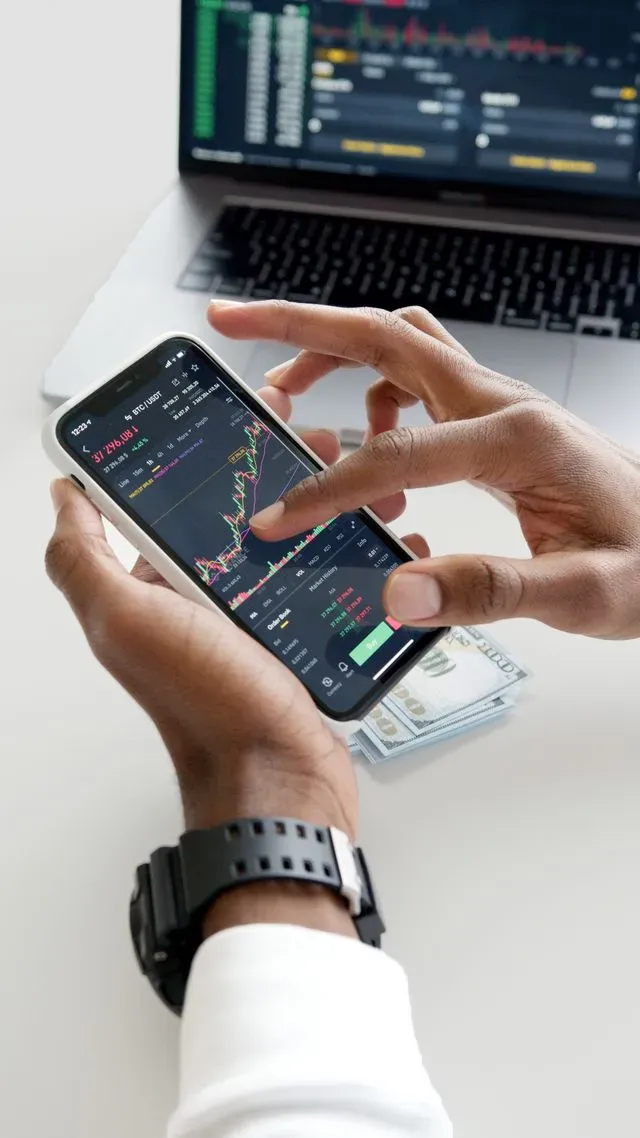
Some people think you have to purchase hundreds of dollars worth of a tech giant such as Apple, Microsoft, or Amazon to become part of the company.
- How it works: Through modern brokerages (such as Robinhood or Fidelity in the U.S. and Trading 212 or Wombat in the U.K.), fractional shares are available for purchase.
- The Action: You can invest $20 into 5 exceptional companies in the world. You'll own a tiny bit of their profits and receive a tiny piece of their dividend payouts!
2. Low-Cost Index Funds and ETFs (Buy the Whole Market)
Instead of putting your entire $100 into a single company, you can invest it into a tiny bit of the entire economy with a single investment.
- The Target: Identify ETFs that follow the top 500 companies in the United States by market value (S&P 500) or those that track global markets (FTSE All-World Index).
- Tax Efficiency: You should open a Roth or traditional IRA in the US so that you can let this money grow tax-sheltered. A Stocks & Shares ISA is the best option in the UK, as your capital gains and dividends will be 100% tax-free.
(Note for UK readers: You must be 18 or older to open a Stocks & Shares ISA, whereas US citizens can open a Roth IRA at any age as long as they have earned income).
Your Next Steps: The $100 Action Checklist
Creating wealth is an active sport. Please don't leave this page and forget about your $100. Make a decision today, open your apps, and execute:
- [ ] Audit Your Liabilities: Check your high-interest cards and loans first.
- [ ] Secure a Tax Haven: Open a Roth IRA (US) or Stocks & Shares ISA (UK).
- [ ] Invest in Your Skills: Visit an online learning platform or bookstore and purchase one resource to boost your primary income stream.
- [ ] Automate Your Consistency: Set up an automated plan to invest a minimum of $25 a week (or month) into your chosen fund.
If you get used to investing $100, then going up to $1,000 or $10,000 will no longer seem like a massive hurdle. The quantity is irrelevant; the habit and consistency are what matter. Start today.
Stay happy and wealthy,
Finally Joy
Founder, Finance For Happy
If you haven't read our foundational guide on how to start investing with just $100, make sure to check that out first.
Disclaimer: The financial information in this article is for educational and informational purposes only and should not be considered professional financial or investment advice. Always consult with a licensed financial advisor before making major economic or investment decisions.