How to Use a Credit Card for Everyday Expenses (Without Falling into Debt)
Swiping a credit card for groceries or gas isn't inherently dangerous—it's a smart way to protect your cash and build rewards. Here is how to use credit for everyday spending without paying a single cent in interest.
Ask a group of friends about credit cards and you’ll usually get two completely opposite reactions.
Half will warn you that they’re a slippery slope to compounding debt and ruined credit scores. The rest will brag about cash back, points, and airport lounge access, treating every swipe like free money.
Both sides are missing the bigger picture.
A credit card isn't an income booster, nor is it an inherent trap. It’s simply a tool to manage your cash flow. Used carelessly, 20%+ interest rates will tear through your monthly budget. Used strategically, it acts as a short-term, zero-interest buffer that protects your real checking account while letting your actual cash work harder in the background.
1. Stop Spending Your Own Cash at the Register
Every time you tap a debit card for groceries or fuel, your real savings drop in real time. If someone skims your debit card at a gas pump, it’s your rent and bill money that vanishes while the bank takes weeks to run an investigation.
Swiping a credit card flips that risk on its head. You aren't spending your money at the point of sale—you’re spending the bank’s capital.
Beyond isolating yourself from fraud, paying on credit comes with serious legal backing. In the US, the Fair Credit Billing Act limits your liability for unauthorized charges. In the UK, Section 75 of the Consumer Credit Act makes the card provider jointly liable for purchases over £100 if a merchant lets you down. Debit cards simply don't offer that level of security.
Best of all, while you spend the bank’s funds throughout the month, your actual cash stays parked in a High-Yield Savings Account (HYSA) or Cash ISA, earning interest right up until the day your bill is due.
2. The Mechanics: How to Avoid Paying a Single Cent in Interest
Credit card companies build their business models around one major consumer oversight: revolving balances. They hook users with flashy rewards, hoping they’ll carry a small balance into the next month so they can hit them with steep interest charges.
Beating them at their own game comes down to mastering the grace period.
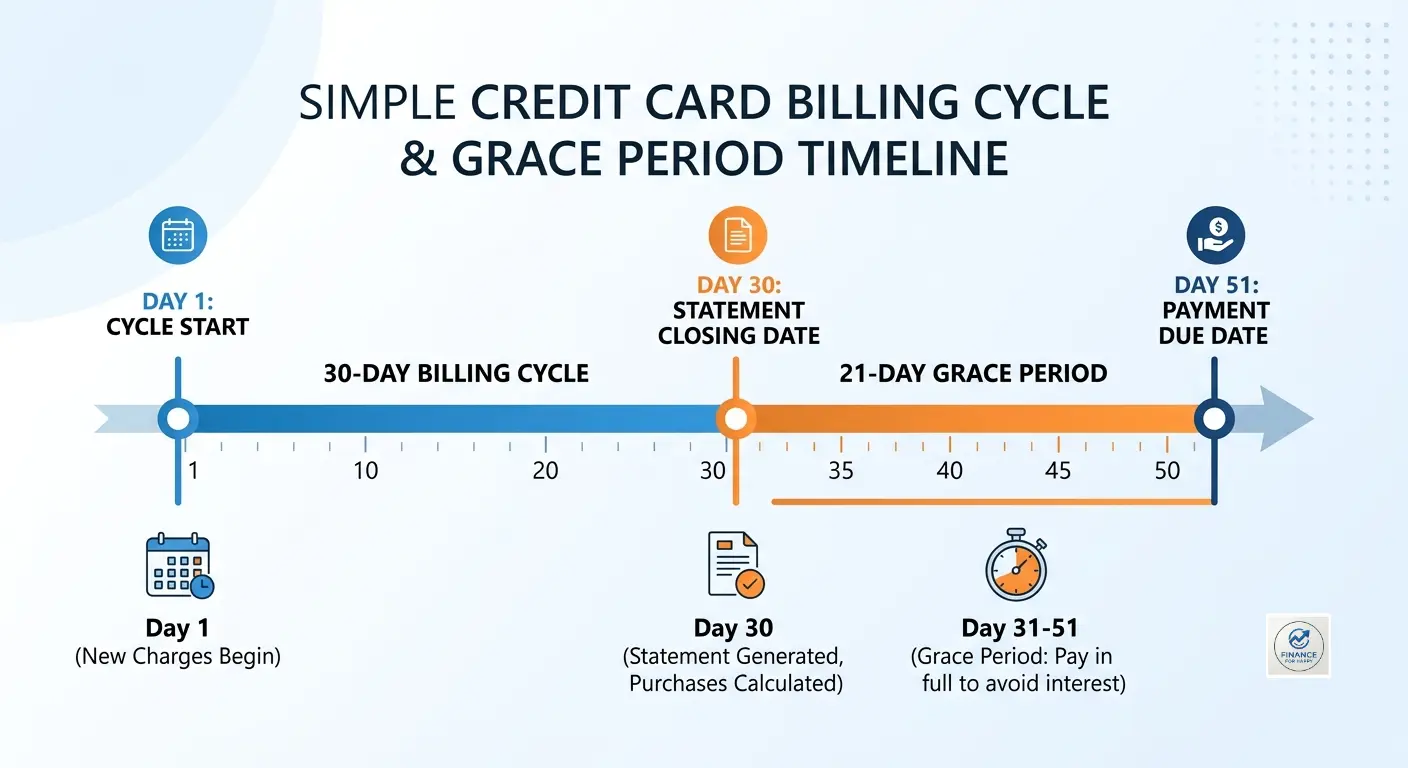
Once your monthly billing cycle closes, you get a 20- to 25-day grace period before payment is due:
- Step 1: Billing Cycle Starts
- Step 2: Daily Expenses Charged to Card
- Step 3: Statement Closes
- Step 4: Grace Period (20–25 Days)
- Step 5: Pay Full Statement Balance
The Unbreakable Grace Period Rules
- Never pay just the minimum: The minimum payment is mathematically designed to keep you carrying debt for as long as possible while maximizing the bank's interest income.
- Pay the "Statement Balance," not the "Current Balance": You don't need to clear pending or unbilled charges for the new month to avoid interest. Just pay the full Statement Balance on or before the due date.
- Automate it: Connect your checking account and set up automatic payments (Autopay) for the full statement balance every single month. Removing human error eliminates late fees entirely.
 Finnly Joy
3. Controlling Your Credit Utilization Ratio
Your credit score doesn't just track whether you pay on time—it keeps a close eye on how much of your total credit line you're using. This is your Credit Utilization Ratio.
Credit Utilization (%) = (Total Statement Balance ÷ Total Credit Limit) × 100
Say you have a $5,000 credit limit, and your daily living expenses total $2,500 by the time your statement closes. That puts your utilization at 50%. Even if you pay that balance off in full every month, reporting a utilization rate above 30% to credit bureaus can temporarily drag down your credit score.
How to Fix High Utilization
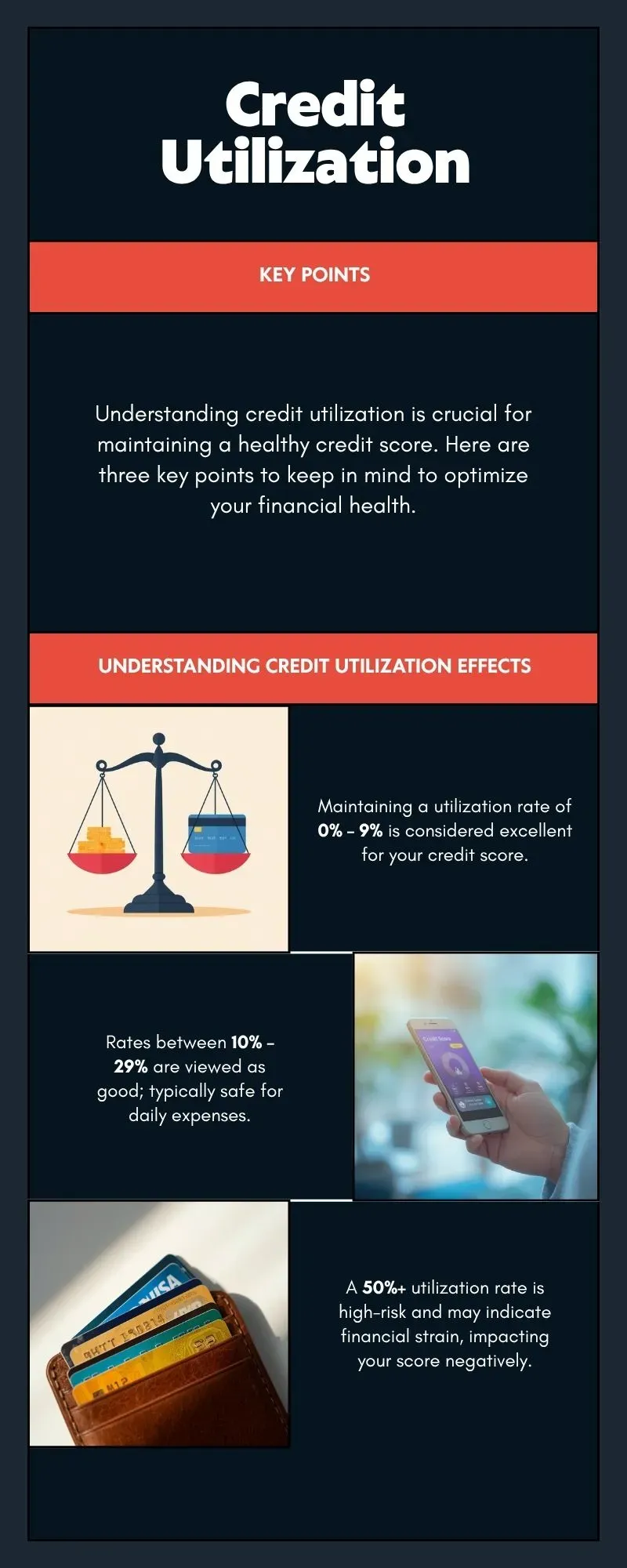
If your routine spending pushes you over that 30% mark, you don't necessarily need to spend less—you just need to tweak your timing. Make a partial payment mid-month (about a week before your official statement closes) to lower the balance that gets reported. Alternatively, call your card issuer and request a credit limit increase without raising your actual monthly budget.
4. Keep Your Wallet Simple
You don't need a stack of ten credit cards to win at this. In fact, juggling too many accounts usually leads to missed deadlines and unnecessary stress. Two well-chosen cards are all most households need:
Recommended Daily Expenses Workflow:
- Groceries & Dining: Category Rewards Card (3% – 4% cash back)
- All Other Spending: Flat-Rate Card (1.5% – 2% cash back)
US Market Strategy
- Groceries & Dining: Look for a card offering 3% to 4% cash back on supermarket trips and restaurants.
- Everyday Expenses: Pair your category card with a flat 1.5% to 2% cash-back card for gas, utilities, and general spending.
UK Market Strategy
- Everyday Rewards: Opt for zero-fee cards that earn cash back or supermarket loyalty points (like Sainsbury's Nectar or Tesco Clubcard points).
- Travel/FX: Keep at least one card in your wallet that waives foreign transaction fees so you don't get hit with hidden 3% FX markups when traveling or buying online from overseas merchants.
 Finnly Joy
5. Overcoming the Plastic Psychology Trap
There is a catch to all of this. Study after study shows that people naturally spend more when tapping plastic or digital wallets than when handing over physical cash. Physical cash creates instant friction; swiping a card bypasses the brain's spending alarms entirely.
If you notice your monthly grocery or dining costs creeping up after switching your daily purchases to credit, force friction back into your routine:
- Use a budgeting tool: Track your daily spending in an app (like YNAB or Monarch Money) or a simple spreadsheet.
- Treat credit like cash: Mentally deduct every card swipe from your checking account the moment it happens. If you wouldn't buy it with debit today, don't buy it on credit.
Your Setup Checklist
Ready to run your daily expenses through a credit card safely? Use this checklist to set up your system:
- [ ] Check your credit limits: Ensure your typical monthly spend stays comfortably below 30% of your total credit limit.
- [ ] Set up Autopay for the "Full Statement Balance": Avoid choosing "Minimum Payment."
- [ ] Sync your due date with your income: Adjust your payment due date to fall a few days after your main monthly pay period.
- [ ] Streamline your wallet: Stick to 1–2 primary cards that give you the highest return on your biggest spending categories.
- [ ] Turn on real-time alerts: Set up push notifications for any charge over $1 so you can spot unauthorized activity right away.
Using a credit card for everyday expenses isn't a get-rich-quick hack, nor is it an inevitable debt trap. It's an execution strategy.
By separating the timing of your spending from the movement of your real cash, automation handles the background admin work while your money stays protected and earns yield longer. Treat the bank's line of credit with the exact same respect as cash, clear your statement in full every month, and let the system work for you.
Stay happy and wealthy,
Finlly Joy
Now that you know how to safely run daily expenses through a credit card, the next step is making sure your overall monthly cash flow stays on track—without feeling like you're micro-managing every penny.
Disclaimer: This article is for informational and educational purposes only and should not be considered professional financial advice. Always evaluate your personal financial situation and consult with a certified financial advisor before applying for credit products.