Credit Card vs. Debit Card for Daily Spending: Which Plastic Wins Your Wallet?
Debit or credit card for daily purchases? Using your own cash for groceries, petrol, and subscriptions puts your savings at risk. Discover why wealthy spenders always use the bank’s buffer instead—and how a simple 3-step system can earn you $300+ in free money each year without going into debt.
You’re standing at the coffee shop counter.
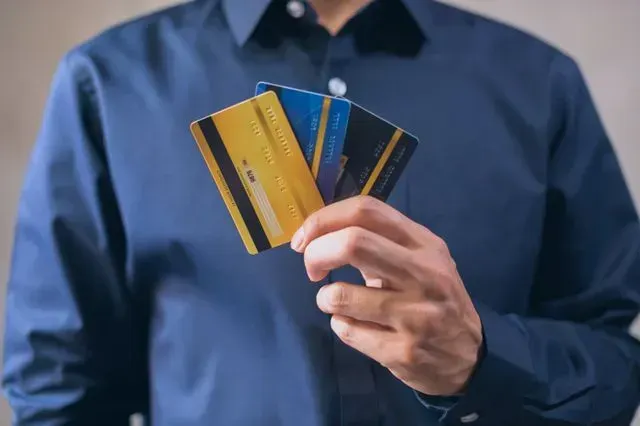
The barista hands over your order, and you reach for your wallet. Inside, two pieces of plastic sit side-by-side.
One is tied directly to your checking account. The other is a micro-loan system backed by a multi-billion-dollar bank.
Which one do you hand over?
Most people pick at random. They treat debit and credit cards like the exact same thing. But if you talk to a seasoned investor or a smart household manager, you’ll hear a very different story.
Choosing between debit and credit for your daily bread, petrol, and utility bills isn't just about convenience. It comes down to a simple question: Do you want to risk your own cash, or put a giant bank’s money on the front lines?
Here is the exact blueprint to decide which card belongs in your daily routine.
The Core Difference: Whose Money is on the Line?
To see why this matters, look at how the money moves behind the scenes:
- Debit Card Transaction: Your Bank Account ──► Instant Drain ──► Merchant
- Credit Card Transaction: Bank's Capital Pool ──► 30-Day Buffer ──► Merchant ──► Monthly Payoff ──► You
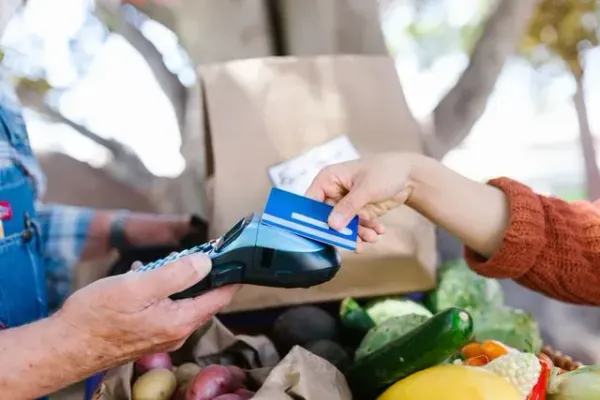
When you swipe a debit card, cash leaves your bank account immediately. If there's a billing glitch, a duplicate charge, or a fraudulent swipe, your actual money is gone while the bank investigates.
When you swipe a credit card, the bank pays the merchant from their own balance sheet. They send you an itemized bill 30 days later. If someone steals your card details at a gas station, they didn't steal your rent money. They stole the bank's money.
The Golden Rule of Payment Security: Never use your own cash for daily purchases when you can safely use a financial institution's capital buffer instead.
3 Reasons Credit Cards Win for Daily Spending
If you have the discipline to treat a credit card like real cash, using it every day gives you three big structural advantages.
1. Ironclad Fraud Protection
In the US, UK, and Europe, consumer laws protect you. Your liability for unauthorized credit card charges is virtually zero.
- With a Credit Card: You spot an unknown $400 charge on your app. You flag it. The bank freezes the charge, issues a provisional credit, and investigates. Your checking account stays untouched. Your mortgage payment goes through on time.
- With a Debit Card: That $400 vanishes instantly. Even if the bank refunds you later, those funds could be missing for weeks. Rent checks bounce. Overdraft fees stack up.
2. Free Money (The Cashback Arbitrage)
Every time you swipe, merchants pay transaction fees to card networks. When you use a rewards credit card, the bank hands a slice of that fee back to you.
If you spend $1,500 a month on regular expenses like groceries, fuel, and dining out ($18,000 a year) using a standard 2% cashback card, the math is simple:
$18,000 × 2% = $360
That’s $360 of pure, tax-free cash every single year for buying the exact same food and fuel you were going to buy anyway. Put that "free" swipe money into a low-cost index fund, and compounding turns it into thousands over a decade.
3. Credit Score Acceleration
Your future mortgage, car loan, or business credit line depends heavily on your credit score. A big chunk of that score comes from a steady record of on-time payments and low credit utilization.
- Debit cards never report to credit bureaus. You could spend $10,000 a month on debit for twenty years and build zero credit history.
- Credit cards report your payment history every single month. Small daily purchases paid off in full quietly build a great credit profile in the background.
 Finnly Joy
When a Debit Card Makes More Sense
If credit cards offer better security, credit building, and free rewards, why not use them for everything?
Because credit card companies aren't charities. They make billions off human psychology. Behavioral economists call this the "Pain of Paying."
The Pain of Paying Spectrum:Physical Cash (Highest Pain): Handing over cash causes immediate psychological friction. It hurts to part with it.Debit Card (Medium Pain): Hurts slightly less, but you still feel the sting as your bank balance drops immediately.Credit Card (Lowest Pain): Completely cuts the link between buying today and paying later. You get the item now, but the bill arrives weeks down the road.
Stick to a Debit Card if:
- You carry a balance month-to-month: Average credit card interest rates sit between 20% and 28%. Earning 2% cashback while paying 22% interest is a fast track to financial trouble.
- You struggle with impulse spending: If knowing you have a $10,000 credit limit tempts you to spend money you don't actually have in your checking account, stick to debit.
Head-to-Head Comparison
| Feature | Credit Card | Debit Card |
| Primary Protection | Bank's Money (Zero Liability) | Your Money (Immediate Account Drain) |
| Secondary Risk | Overspending & Interest Charges | Fraud & Bounced Payments |
| Rewards & Perks | 1% – 5% Cash Back, Travel Points | Rare / Negligible |
| Credit Building | Yes (Reports monthly to bureaus) | No |
| Best For | Disciplined spenders wanting protection | Strict budgeters avoiding debt |
The "Smart Money" System for Daily Expenses
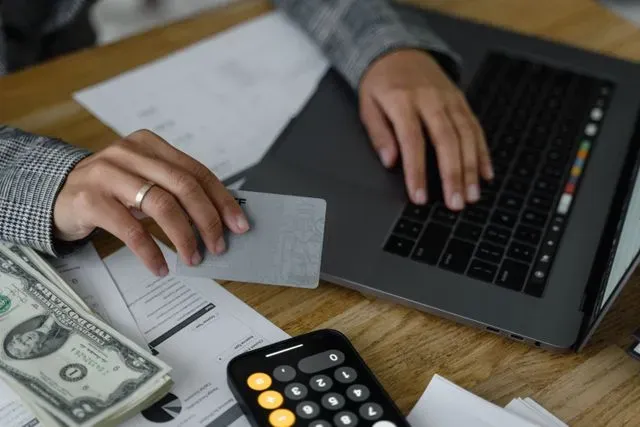
To get the safety and rewards of a credit card without falling into debt, use this simple three-step system:
Step 1: Treat Your Credit Card Like a Debit Card
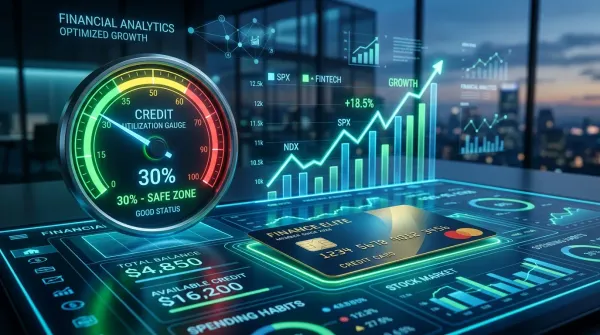
Never spend money on a credit card that isn't sitting in your checking account right now. If you have $2,000 in checking, your real credit limit is $2,000—no matter what the bank says.
Step 2: Set Up Weekly Auto-Pay
Don't wait for the monthly statement. Set an automated weekly transfer from your checking account to clear your credit card balance. This keeps your credit utilization low and stops surprise bills at the end of the month.
Step 3: Separate Fixed and Variable Expenses
Keep one primary account strictly for fixed bills like rent, mortgage, and utilities. Use your credit card exclusively for variable daily spending like groceries, petrol, and dining.
Your 5-Minute Checklist
Use this quick checklist to clean up your daily spending habits:
- [ ] Audit your daily spending: Find where you're using debit for groceries, gas, or online shopping, and move those to credit.
- [ ] Protect online accounts: Remove debit card details from shopping sites or streaming services where data leaks happen.
- [ ] Turn off debit overdraft protection: Call your bank and opt out of overdraft protection so transactions decline instead of hitting you with heavy fees.
- [ ] Automate full payments: Set up auto-pay to clear your full statement balance every single month.
- [ ] Track your credit score: Use a free monitoring tool to check your credit health regularly.
A debit card stops you from spending money you don't have. A credit card, when managed with discipline, acts as a shield for your capital and a simple tool to earn micro-yields on everyday purchases.
If you have the discipline to pay your balance in full, shift your daily spending to a rewards credit card. Let the bank's money sit on the front lines while yours stays safe in your account.
Stay happy and wealthy,
Finlly Joy
Now that you know why credit cards beat debit for daily spending, make sure you aren't making the 3 subtle mistakes that cost everyday cardholders hundreds in hidden fees. Read [How to Use and Smarten Up on a Credit Card: Using It Wiser, Not Just Harder] next to master your wallet setup.
Disclaimer: This article is for informational and educational purposes only and should not be considered professional financial advice. Always evaluate your personal financial situation and consult with a certified financial advisor before applying for credit products.