How to Use and Smarten Up on a Credit Card: Using It Wiser, Not Just Harder
Are credit cards a friend or a foe? Master the 13 essential rules to use credit cards as a wealth-building tool, avoid high-interest debt, and boost your credit score.
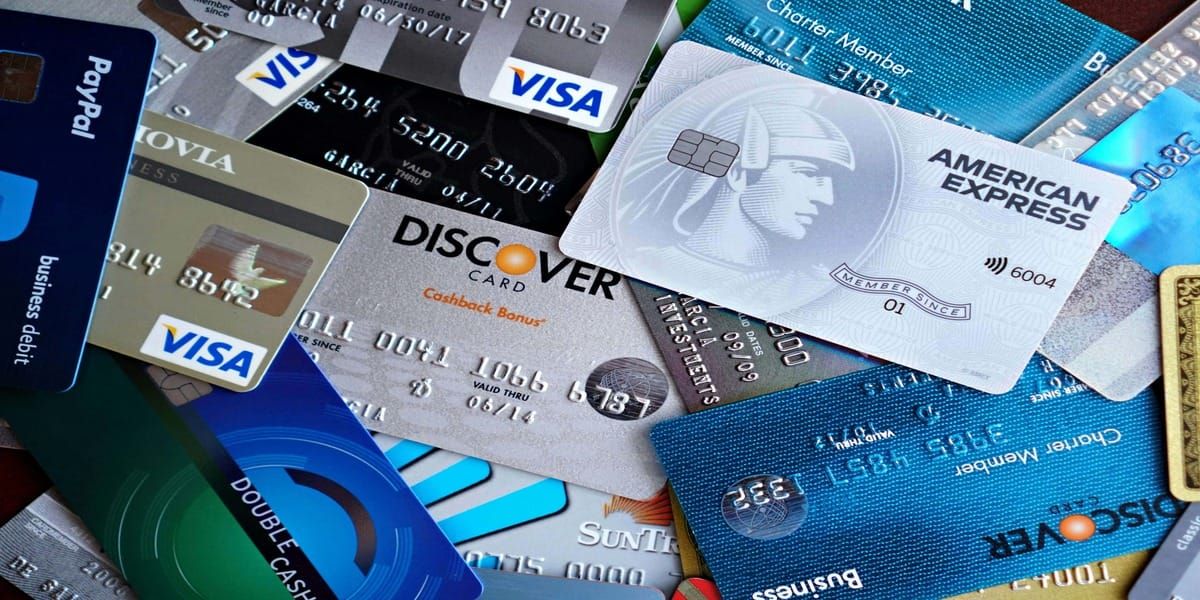
There is no financial tool quite like a credit card. Used the right way, it helps you build a solid credit score, earn cashback rewards, and smooth out your monthly cash flow.
Used the wrong way, it can quickly trap you in high-interest debt and heavy fees.
The good news? Credit cards aren't inherently dangerous. With a simple mindset shift, you can use them to your advantage instead of letting the banks profit off you.
As I mentioned in my previous post on [My 8-Year Financial Freedom Journey], mastering your credit cards comes down to discipline. It's all about turning a potential money trap into a useful tool.
1. Know the Basics Before You Swipe
Before you start using your card, make sure you understand these core terms:
- Credit Limit: The maximum amount the bank lets you borrow.
- APR: The annual interest rate you pay if you don't pay off your balance.
- Minimum Payment: The absolute smallest amount you must pay each month to avoid late fees. (Warning: Paying only this leads to long-term debt).
- Billing Cycle: The 28 to 31-day window where your charges accumulate.
- Grace Period: The time between your bill date and due date where you can pay with zero interest.
Always read your card terms carefully so you don't get hit with unexpected surprises.
2. The Golden Rule: Pay in Full Every Month
If you only take one piece of advice from this guide, let it be this: Pay your entire balance off every single month.
When you pay in full:
- You pay zero dollars in interest.
- You keep your credit score healthy.
- You stop debt from piling up.
The Easy Rule of Thumb: Treat your credit card like cash. If you don't have the money sitting in your checking account today, don't swipe the card.
3. Track Your Daily Spending
Credit cards make it dangerously easy to overspend because you don't see physical cash leaving your hands.
Check your card's banking app every few days to keep an eye on your balance. Setting a weekly spending cap stops small purchases from adding up behind your back.
 Finnly Joy
4. Use the 24-Hour Rule for Impulse Buys
Credit cards tempt us to buy things we don't actually need.
When you feel the urge to buy a non-essential item, force yourself to wait 24 hours. If you still want it and have the cash to cover it after a full day, then go ahead. Most of the time, the impulse passes.
5. Watch Out for Hidden Fees
Interest isn't the only way credit cards cost you money. Watch out for:
- Annual Fees: Extra costs just for holding the card.
- Late Payment Fees: Penalties for missing your due date.
- Cash Advance Fees: Massive fees and instant interest if you use your card to withdraw cash at an ATM.
6. Keep Your Credit Usage Low
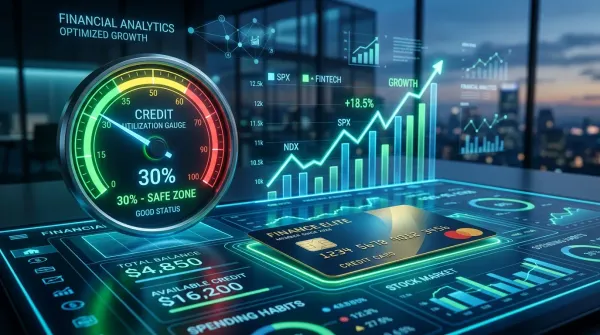
Your "credit utilization" is the percentage of your limit you use each month.
For example, if your limit is $1,000 and your balance is $300, your usage is 30%. Financial experts recommend keeping your balance under 30% of your total limit to keep your credit score strong.
 Finnly Joy
7. Automate Your Monthly Bills
A single late payment can ding your credit score and trigger annoying penalty fees.
Set up automatic full payments through your bank app. If you're worried about low checking account balances, set up auto-pay for at least the minimum amount so you never get hit with a late fee.
8. Pick the Right Card for Your Goals
Don't just sign up for the first card offer you see in the mail. Pick one that matches your current situation:
- Cashback & Travel Cards: Great for earning perks if you pay your bill in full every month.
- Low-Interest Cards: Better if you know you might need to carry a balance occasionally.
- Secured Cards: The best starting point if you have no credit history or need to rebuild your score.
9. Don't Chase Points at the Expense of Cash
Perks and travel points are nice bonuses, but they aren't worth going into debt for.
Never spend extra money just to earn points. If you pay even one month of interest charges, it will instantly wipe out the value of any rewards you earned.
10. Check Your Credit Score Monthly
Checking your credit score regularly helps you catch mistakes early and spot identity theft before it ruins your finances. Most banking apps offer free monthly score tracking—get into the habit of checking it once a month.
11. Avoid Funding Luxuries with Credit
Never use a credit card to finance a lifestyle you can't afford.
Avoid charging vacations, designer clothes, or expensive gadgets unless you already have the cash set aside in your savings account to pay for them immediately.
12. Turn On Instant Security Alerts
Protecting your money is just as important as growing it.
Enable instant text or push notifications for every transaction on your card. That way, if someone steals your details online, you can freeze the card through your app before real damage is done.
13. Use Credit to Build Real Wealth
When handled with care, a credit card is a stepping stone to building long-term wealth. A strong credit score helps you qualify for lower interest rates on major loans like a mortgage, saving you tens of thousands of dollars over time.
Financial discipline is the bridge between setting a goal and actually reaching it. Using a credit card wisely gives you financial freedom, peace of mind, and valuable perks without the stress of debt.
Keep your balance paid off, stick to your budget, and make the banking system work for you instead of the other way around.
"Financial discipline is the gap between a goal and its achievement."
Keep On, Finnly Joy
 Finnly Joy
Disclaimer: This article is for educational and motivational purposes only. I am not a financial advisor. Credit cards involve financial risk; please conduct your own research or consult a professional before making major financial moves.