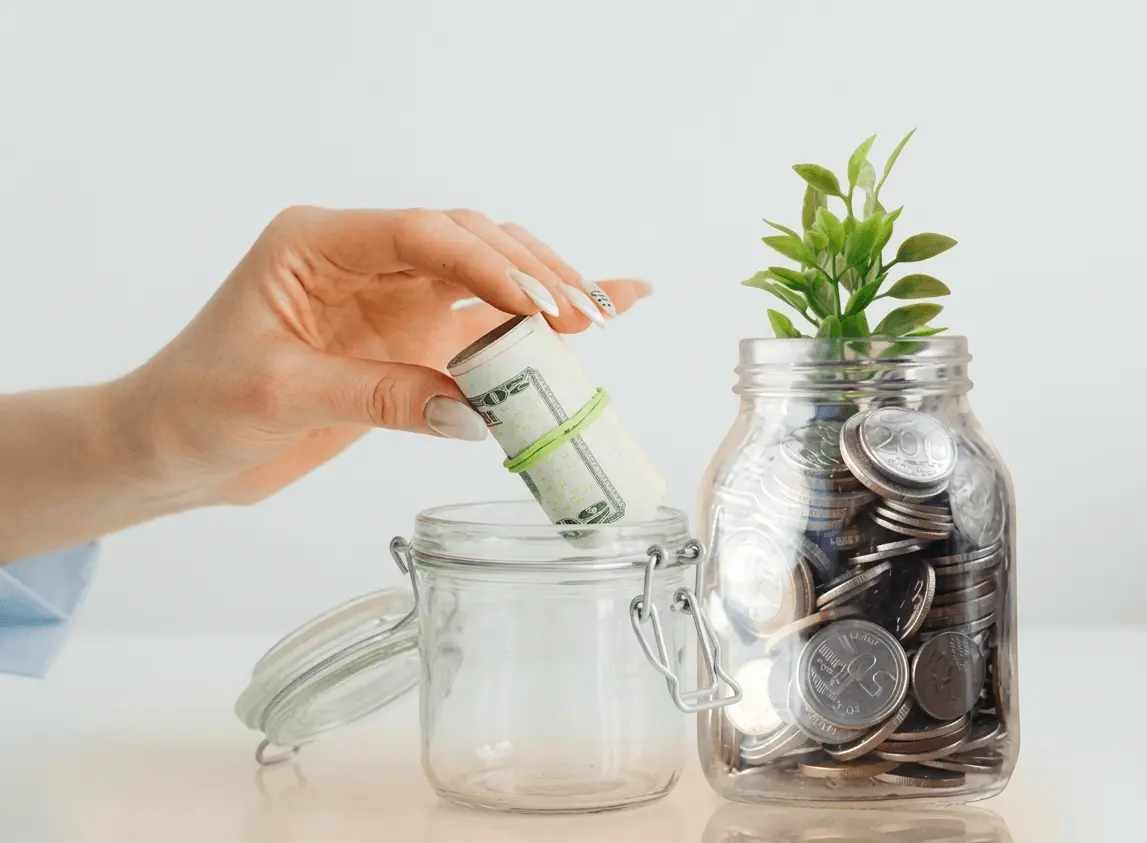
How to Save Money on Groceries by Growing Your Own Food
Tired of shocking grocery bills? You don’t need a farm or big budget to slash produce costs. Discover smart, high-ROI ways to grow fresh greens and herbs at home—even on a 5-foot balcony wall.
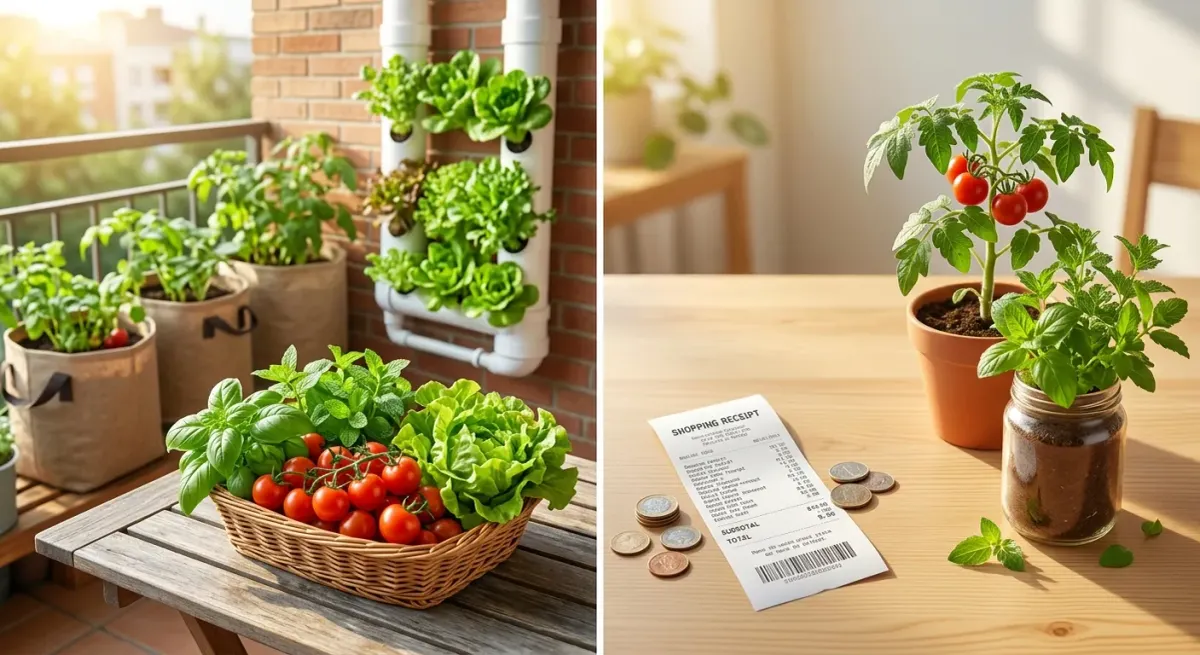
Supermarket receipts can feel like a monthly shock to your budget. Between rising food inflation, supply chain shifts, and expensive produce pricing across the US and UK, maintaining a fresh, nutrient-dense diet without draining your bank account has become a true challenge.
Every dollar or pound saved on everyday essentials frees up cash flow to fund your emergency fund, pay off high-interest debt, or build long-term wealth. Learning how to save money on groceries by growing your own food is one of the few inflation-hedging activities that pays daily dividends right at your dinner table.
The truth is, gardening isn't automatically cheap. If you spend $300 on raised cedar beds, custom soil blends, and decorative planters just to harvest $15 worth of radishes, you have lost money. But when approached with a strict ROI-first mindset, home food production becomes an efficient tool to slice your grocery spending.
High-ROI Home GardeningFocus on High-Value Crops: Prioritize organic herbs, heirloom tomatoes, and continuous leaf greens over low-cost roots like onions or potatoes.Minimize Upfront Capital: Avoid expensive raised-bed kits. Upcycle containers, make your own compost, and start from seed to keep start-up costs under $50/£40.Practice Harvest Optimization: Grow cut-and-come-again varieties that produce continuous yields over months rather than single-harvest crops.Redirect the Savings: Transfer every dollar or pound saved on produce into an automated high-yield savings account or index fund to unlock compound growth.
Is Home Gardening Actually Cheaper? The Cold, Hard Numbers
The short answer is yes, but only if you choose your crops wisely. To determine is home gardening actually cheaper, you must compare the cost per pound of home-harvested produce vs its equivalent supermarket retail price.
Plaintext
COST vs. RETURN PER CROP

┌──────────────────────────────────────────────────────────────┐
│ HIGH ROI (Grow These)                                         │
│ Herbs (Basil, Rosemary) ███████████████████████ 800% ROI      │
│ Salad Greens       ████████████████ 500% ROI                 │
│ Cherry Tomatoes     █████████████ 400% ROI                   │
├──────────────────────────────────────────────────────────────┤
│ LOW ROI (Skip or Buy)                                        │
│ Maincrop Potatoes    ██ 30% ROI                              │
│ Yellow Onions      █ 10% ROI                                 │
└──────────────────────────────────────────────────────────────┘
When it comes to culinary herbs, a small plastic clam-shell of fresh basil or rosemary costs $3.99 / £2.50 at the store for less than an ounce. A single $3.00 / £2.00 seed packet produces dozens of plants with a monstrous return on investment.
The Best Crops for Maximum Financial Yield
- Fresh Culinary Herbs: Basil, mint, cilantro (coriander), rosemary, and thyme
- Salad Greens: Baby spinach, arugula (rocket), romaine, and leaf lettuce (yielding multiple harvests per plant)
- Indeterminate & Cherry Tomatoes: High yield per square foot over several months
- Soft Fruits: Strawberries, raspberries, and blackberries (which carry high supermarket markups)
- Zucchini / Courgettes & Bush Beans: Prolific producers that require minimal maintenance
Conversely, low-cost staples like commercial potatoes, onions, and carrots are being sold at a massive industrial scale. Unless you have acres of land, buying a 10 lb bag of potatoes at the store is more cost effective than growing them yourself.
 Finnly Joy
Low Cost Backyard Vegetable Garden Setup: Step-by-Step
You don't need to overhaul your backyard into a full-blown designer gardening experience to start harvesting. A successful low cost backyard vegetable garden setup focuses on resourcefulness and essential grocery bill reduction tips for beginners.
Plaintext
┌─────────────────────────────────────────────────────────┐
│        UPFRONT GARDEN BUDGET (~$45 / £34)               │
├───────────────────────────────┬─────────────────────────┤
│ ITEM                          │ COST (EST.)             │
├───────────────────────────────┼─────────────────────────┤
│ Seed Packets (4-5 varieties)  │ $12.00 / £9.00          │
│ Quality Compost / Soil Mix    │ $15.00 / £11.00         │
│ Upcycled Pots / Fabric Grow Bags│ $10.00 / £8.00        │
│ Basic Hand Trowel             │ $8.00 / £6.00           │
├───────────────────────────────┼─────────────────────────┤
│ TOTAL INITIAL INVESTMENT      │ $45.00 / £34.00         │
└───────────────────────────────┴─────────────────────────┘
1. Soil and Nutrients on a Shoestring Budget
Soil is your primary investment. Rather than individual bags of specialty garden soil, topsoil, and fertilizers, you can make your own soil amendment mix.
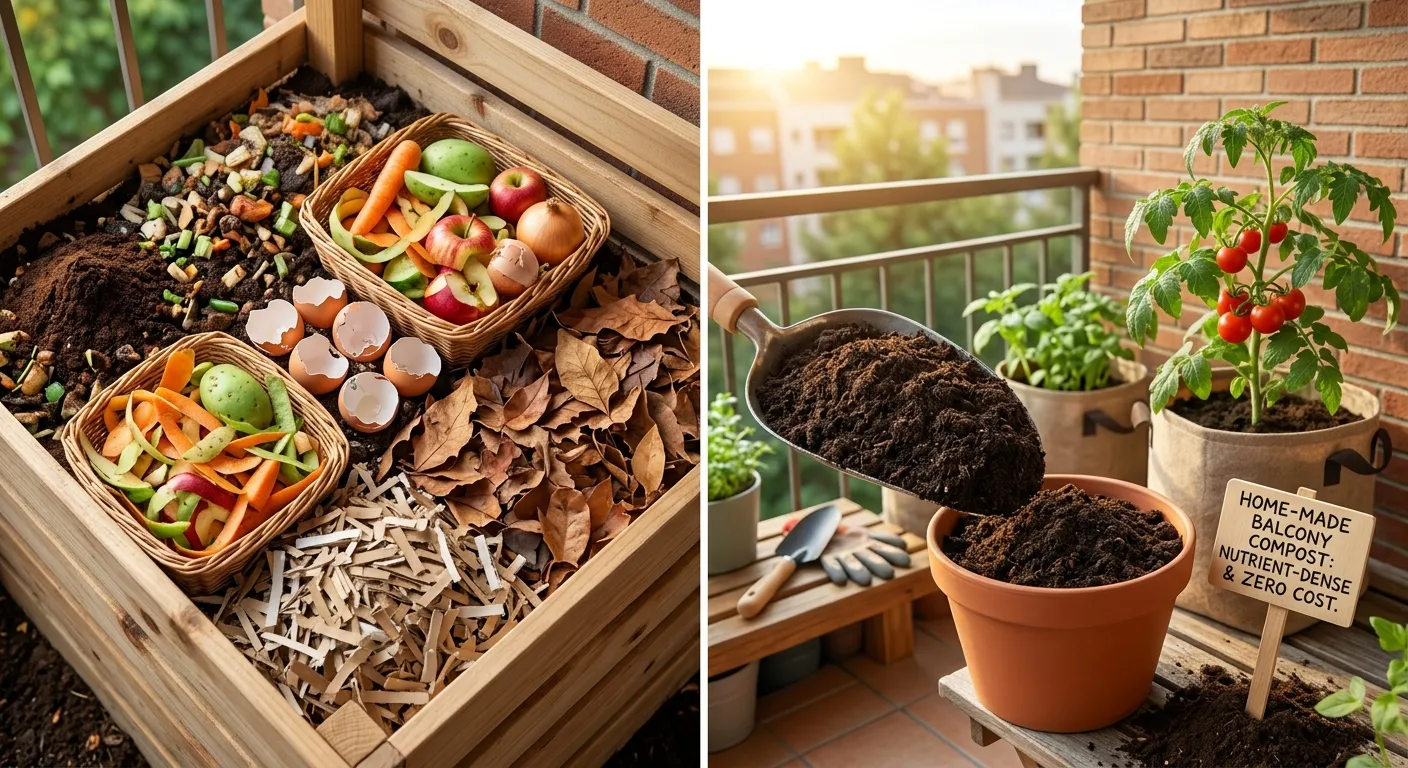
- Start Backyard Composting: Use kitchen scraps (coffee grounds, vegetable peels, eggshells) combined with dried leaves and shredded cardboard, creating nutrient-dense compost for zero cost.
- Source Local Bulk Soil: Rather than $10 / £7 pre-bagged mixtures, buy bulk topsoil from local municipal sites or landscape suppliers.
2. Upcycled and Low-Cost Containers
Avoid pre-assembled wooden or metal raised bed kits that cost hundreds of dollars/pounds. Rather opt for this:
- Fabric Grow Bags: A 5-pack of 5-gallon fabric grow bags costs under $15 / £12 and provides superior root aeration.
- Repurposed Buckets: Find food-grade 5-gallon buckets (often available free from bakeries or cheap at hardware stores), and drill 4–6 drainage holes in the bottom.
- Direct In-Ground Beds: Clear a small sunny patch of yard using the "no-dig" cardboard method. Lay plain brown cardboard over grass, cover with 3–4 inches of compost, and plant directly into it.
The Ultimate Small-Space & Urban Growing Hacks
Living in a compact urban apartment with no backyard space is no excuse to skip out on home food production. Modern growers across the US and UK are using creative systems to turn small spaces into high-yield food hubs.
1. 5-Foot Vertical PVC & NFT Hydroponics
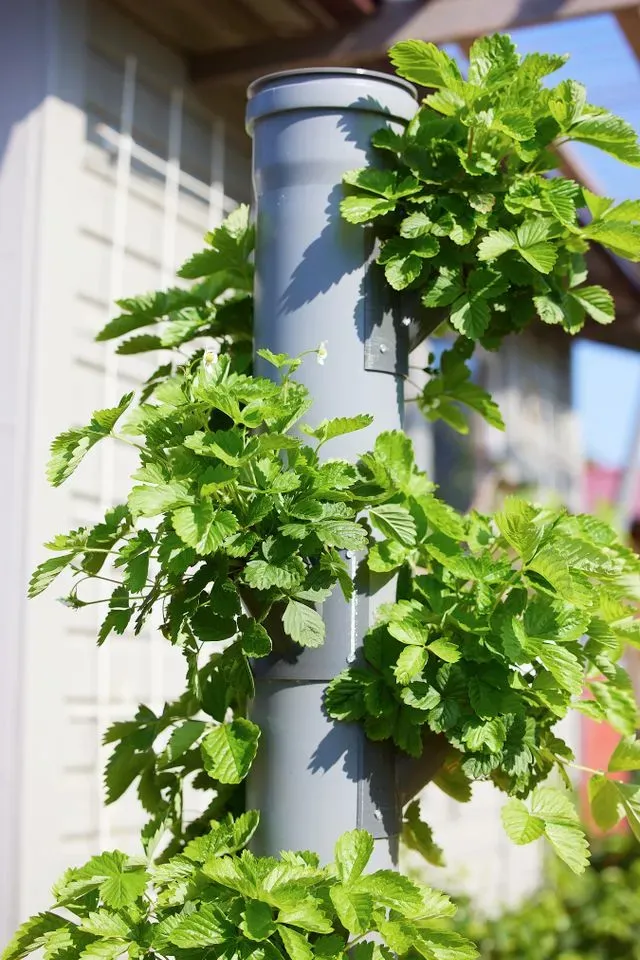
Take advantage of vertical space by using a 5-foot strip of your balcony wall for PVC pipes or a Nutrient Film Technique (NFT) hydroponic setup. The soil-free method slashes your grocery bill as you produce fresh salad greens 7 days a week on unused wall space.
2. Fabric Grow Bag & Container Kits
Rather than heavy traditional pots, breathable grow bags promote root pruning and rapid growth for crops such as potatoes, carrots, tomatoes, and bell peppers. Foldable and easily stored, they allow you to grow more food on a tiny balcony or patio.
3. Windowfarms & Hanging Mason Jars
Perfect for small apartments and studio kitchens where sunlight is limited. Using hanging mason jars or hanging systems, you can keep your staples like green onions, mint, cilantro, and basil within fingertips distance by a sunny window.
4. Indoor Countertop LED Grow Light Systems
To counteract dark winter months in Northern US / UK climates, automated countertop units (like AeroGarden systems) use LED grow lights and hydroponics. With the ability to provide salad greens and herbs 365 days a year, their independence from the weather is invaluable.
5. Espalier Fruit Trees for Narrow Walls
Maximize your boundary walls and fences by training fruit trees (like apple or pear) to grow in two dimensions, allowing you to harvest fresh fruit from a footprint of just 1 foot deep.
My Secret: Turning Kitchen Waste into "Liquid Gold"
Never buy expensive chemical fertilizer. Everything you need to nourish your garden is already in your kitchen.
Save your vegetable scraps, eggshells, and used coffee grounds as you cook each day. By combining waste materials into a compost pile, you can create rich, organic fertilizer—absolutely free of charge. It might very well make the experience of recycling kitchen waste so incredibly rewarding that we realize we can indeed live off the resources we already have around us.
 Finnly Joy
No Space? No Problem! Community / Allotment Gardens
If you don't have a balcony, patio, or window, you should not be quick to dismiss the idea of gardening for your own food. In both the US and UK, community gardens (and allotments in the UK) provide urban dwellers with a chance to grow their own produce.
Community gardens allow your neighbors to cultivate an area that you'll have access to. They offer financial benefits such as shared costs (no need to buy your own expensive tools and hoses) and expert knowledge (you can learn about local conditions from experienced growers), as well as low annual fees compared to the produce you can harvest.
Joining a community garden allows you to harvest far more food for a fraction of your own individual cost.
Real-World Case Study: How Much Can You Save With a Vegetable Garden?
To understand how much can you save with a vegetable garden and how home food production can build real wealth, let's take a look at a realistic financial comparison.
Case Study: Sarah's $50 Garden Experiment
Sarah, a budget-conscious renter, set aside $50 / £40 to test out the home gardening sphere. Instead of buying mature nursery plants, she invested in high-value seeds and basic fabric grow bags.
Plaintext
SARAH'S FINANCIAL COMPARISON

━━━━━━━━━━━━━━━━━━━━━━━━━━━━━━━━━━━━━━━━━━━━━━━━━━━━━━━━━━
Total Start-up Investment:          $50.00 / £40.00
----------------------------------------------------------
Season's Harvest Value:
• 12 lbs Organic Tomatoes          $48.00 / £36.00
• 8 lbs Fresh Salad Greens        $64.00 / £48.00
• Fresh Herbs (Basil, Cilantro, Parsley) $45.00 / £35.00
• 15 lbs Zucchini & Bush Beans      $35.00 / £25.00
----------------------------------------------------------
Total Equivalent Supermarket Value:   $192.00 / £144.00
NET FIRST-YEAR SAVINGS:          $142.00 / £104.00
━━━━━━━━━━━━━━━━━━━━━━━━━━━━━━━━━━━━━━━━━━━━━━━━━━━━━━━━━━
By focusing on crops with high market value, Sarah achieved a 284% net ROI in her first growing season.
Turning Garden Savings Into Long-Term Wealth
Saving $142 / £104 a year on your grocery bill might seem minimal, but in personal finance small recurring cash flows are everything when it comes to investing in your future. If Sarah redirects her monthly garden savings ($30 / £25 for an expanded garden) to a broad-market index fund yielding an average 8% annual return, her small pool of capital will compound exponentially:
- In 5 Years: ~$2,200 / £1,800
- In 10 Years: ~$5,500 / £4,500
- In 20 Years: ~$17,600 / £14,600
Treat your garden like a micro-business, and every dollar or pound you don't hand over to a grocery retailer can be turned towards your financial independence.
4 Financial Strategies to Maximize Your Food Garden Savings
With the goal of getting the absolute highest return on investment on your plot, keep these core principles in mind:
- Master Seed Saving: Never buy seeds for the same plant twice. Heirloom varieties allow you to harvest, dry, and store seeds from your best performing crops for your next planting cycle.
- Prevent Food Waste via Preservation: A common pitfall is the production of more food than you can eat resulting in spoilage. Freeze fresh herbs in olive oil, freeze-store whole tomatoes for winter soups, or pickle excess cucumbers to stretch your savings throughout the year.
- Cut-and-Come-Again Harvesting: Instead of pulling out entire heads of lettuce, harvest the outer leaves while keeping the central core intact. The plant will continue to regenerate fresh leaves for weeks.
- Propagate from Cuttings: Tomatoes, mint, and basil root easily in water. A single purchased seedling can yield 5–10 identical free plants through simple stem cutting.
The Personal Joy of Growing Your Own Food
While financial savings are the top priority, the psychological benefit of home gardening is immeasurable. Watching fresh leaves emerge from a tiny seed you planted can provide an incredible sense of satisfaction.
Harvesting fresh produce at the last minute to add to your dinner creates a rewarding connection that no supermarket purchase can replicate.
Frequently Asked Questions (FAQ)
How much can you save with a vegetable garden in the first year?
In your first year you should expect a net savings between $100 and $300 (£80–£240) if you start small and focus strictly on high-value crops like herbs, greens, and tomatoes. While initial setup costs can limit first year returns, reusing containers, tools, and saved seeds in the next few years will significantly boost your net margin.
Is home gardening actually cheaper than supermarket shopping?
Yes, as long as you avoid overspending on luxury planters, garden structures, and nursery saplings. Growing from seed using simple pots and home-brewed compost will yield fresh produce at a fraction of the store's price.
What is the absolute cheapest food to grow at home?
Radishes, leaf lettuce, spinach, and leafy herbs are some of the cheapest foods to grow. They germinate quickly, need minimal space and fertilizer, and produce substantial yields from just a $2–$3 seed packet.
Stay happy and wealthy,
Finlly Joy
Disclaimer: The information provided in this article is for educational and informational purposes only and should not be construed as professional financial, investment, or legal advice. Financial situations and credit scoring algorithms vary by individual and location. Always consult with a certified financial advisor or credit professional before making any major financial decisions.
 Finnly Joy