The Buffett Blueprint: How to Build Massive Wealth Without Losing Your Sanity
Think like a billionaire. Discover the 9 golden rules of Warren Buffett that turn small gains into massive wealth, helping you build a life of freedom without losing your peace of mind.
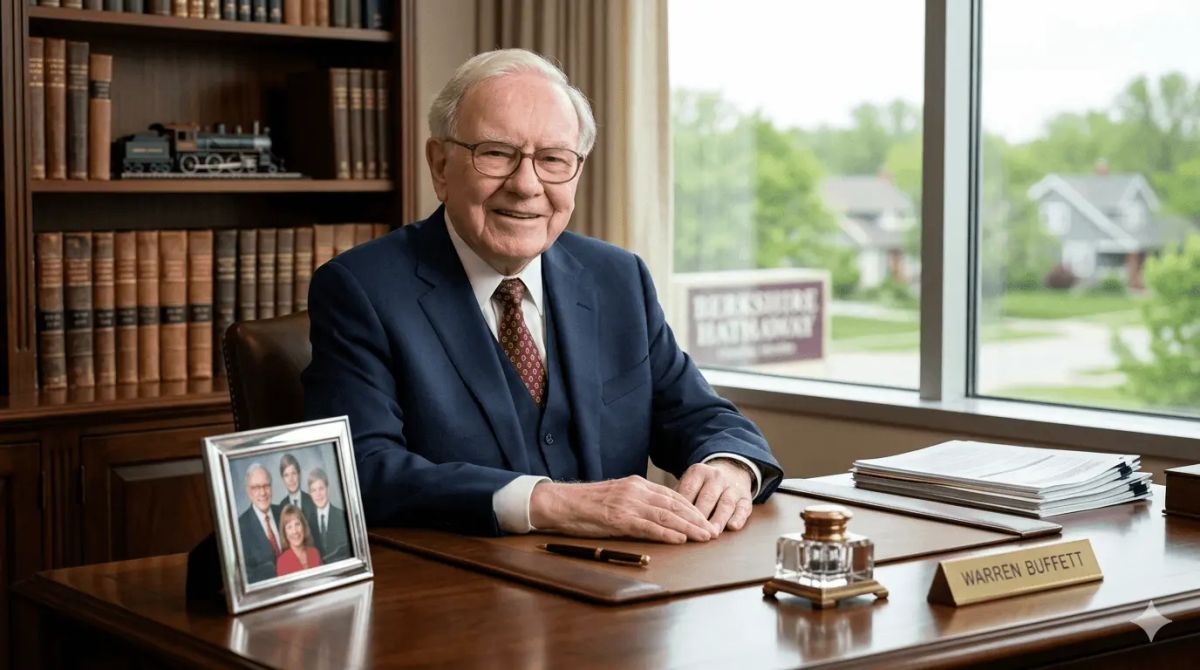
The majority believe that Warren Buffett is a wizard. They view an elderly man of 95 sitting in Omaha, Nebraska, with a net worth of more than $140 Billion and believe he is holding a crystal ball.
He isn't.
It is not about being the brightest guy in the room, but being the most disciplined one that makes Buffett successful. You do not need to discover the "next Apple," whether you are a commuter in London, running a business in New York, or trying to balance your finances in your home office. You just need to think like Buffett.
At FinanceForHappy, we are sure that wealth should not come at the expense of your peace of mind. We will break down the blueprint that made a boy selling soda the greatest investor in the world—and how you can use it today.
1. The Hustle Began at Age 6: The Strength of Small Gains
Warren Buffett did not inherit a million dollars. His initial inventory consisted of six bottles of Coca-Cola. At the age of six, he purchased a six-pack of Coke at his grandfather's grocery store for 25 cents and sold each bottle for a nickel. On each pack, he earned a profit of 5 cents.
He didn't stop there. He delivered newspapers, sold used golf balls, and even detailed cars. By the age of 14, he had already earned a fortune of $1,200 (a significant amount in the 1940s) and spent it on purchasing a 40-acre farm.
The Moral of the Story: You do not have to have a large lump sum to begin. You must have the heart to start small. Whether you are investing 10 pounds or 1,000 dollars, you are on the same track Buffett was on. The saving and investing habit is more important than the amount.
2. The $38 Lesson: The Power of Patience
Buffett made his first purchase at the age of 11 when he bought Cities Service Preferred. He bought three shares at $38. The price soon dropped to $27. Frightened, he waited until it reached $40 again and sold it at a small profit.
Soon after the sale, the stock price soared to $200.
This was his first major lesson: Patience is the golden rule of investing. The failure of most retail investors in the US and the UK is due to panic-selling when the market is declining. At 11 years old, Buffett learned that the stock market is a machine designed to take money from the impatient and leave it for the patient.
3. The Numbers of the Margin of Safety
The "Margin of Safety" is a concept Buffett uses to his greatest advantage. Suppose you were erecting a bridge. If you know that 10,000-pound trucks are going to traverse it, you do not construct it to carry exactly 10,000 pounds. You build it to carry 30,000 pounds. That 20,000-pound gap is your Margin of Safety.
The Fallacy: The majority of individuals purchase a stock at $100, hoping that it will increase to $120.
The Buffett Move: He calculates that a business is worth $100; however, he does not want to buy it until the market goes down and offers it at $70.
The Reality Check: Happiness consists of knowing that, although you may be slightly wrong, you will not go broke. This is why an Emergency Fund is your individual Margin of Safety. If you spend 3,000 a month, ensure you have 15,000 in the bank before you even consider stocks.
4. The Sweet Spot of Happiness: The Wealthy Middle
There is a poisonous finance myth: You must be a monk (saving every penny) or a rockstar (spending every penny). Buffett rejects both.
He still lives in the house he bought in 1958 for $31,500. Every morning, he has a cheap McDonald's breakfast. However, he also travels by private jet when it is appropriate for his business productivity.
The Ideal In-Between:
- Don’t Be Cheap: If a $5 coffee will improve your morning, get one.
- Do Not Flash: If you are purchasing a luxury car just to impress neighbors whom you do not even like, you are losing.
The Goal: The ability to say "No" to what you hate. It is not freedom of "stuff," but true freedom.
5. The 8th Wonder: Longevity is the Secret Sauce
This is a fact that shocks everyone: More than 90% of Warren Buffett’s wealth was accumulated after the age of 65.
He did not get rich because he had 100% returns in a single year. He became wealthy due to 15-20% returns over 80 years.
- If you grow $10,000 by 15% for 10 years, you have $40,455.
- If you do it for 50 years, you have $10.8 Million.
It is not the percentage; it is the Time. In the USA and the UK, individuals often fail because they are preoccupied with the desire to become wealthy by next Thursday. Buffett became wealthy because he was able to wait until the next decade.
6. Don’t Put All Your Eggs in One Basket (Or Should You?)
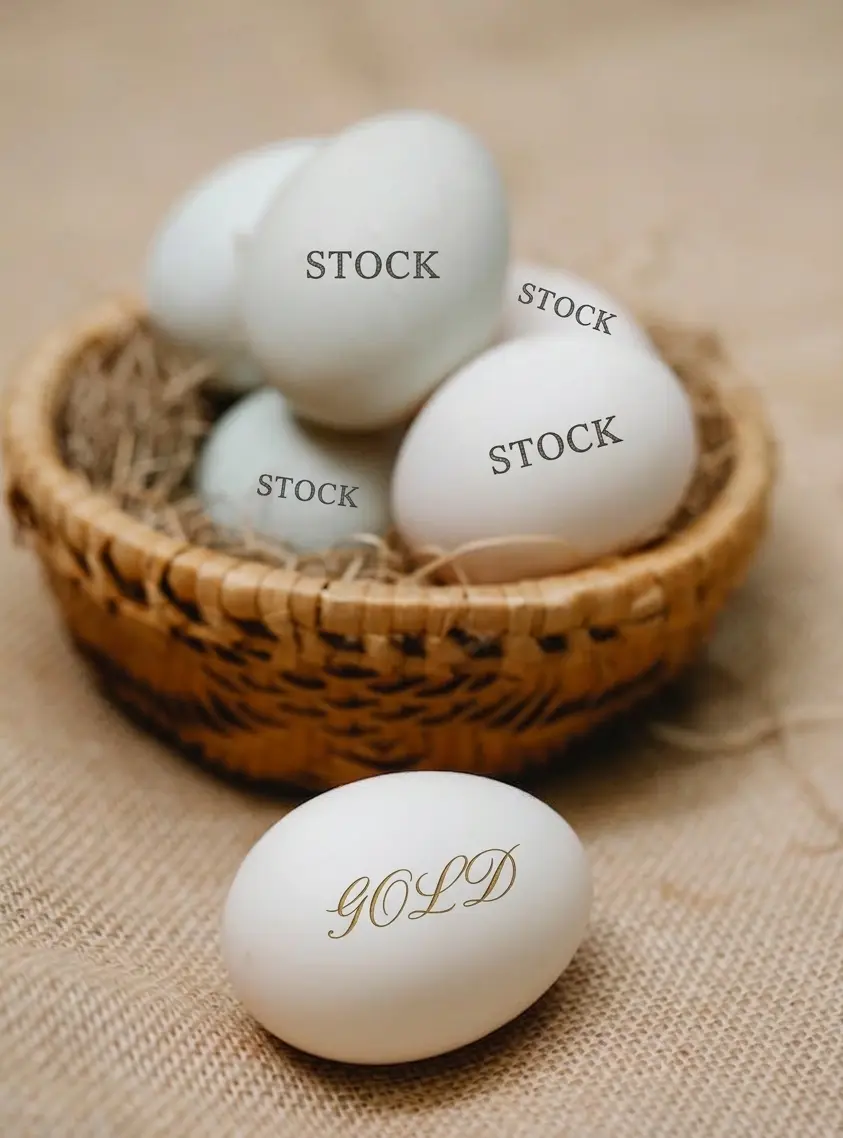
Buffett talks a lot about diversification. His well-known saying is: "Do not put all your eggs in one basket." However, he gives a twist for the earnest investor: "Put your eggs in one basket, but watch that basket very closely."
Diversification is a "free lunch" in finance for 99% of us. What happens if you invest all your money in a single tech firm and they go under? You are out of business. Diversify into other areas like healthcare, technology, and energy to safeguard yourself.
7. Investing in "Moats"
Buffett only invests in businesses that have an Economic Moat. This is an inherent strength that competitors cannot steal.
- Brand Power: Think Coca-Cola or Apple. The name fetches more money because people trust it.
- Switching Costs: Think Microsoft or high-end banks. It’s too much of a headache for customers to leave.
The Happiness Factor: You do not need to check the stock market every hour when you invest in companies with Moats. You can sleep peacefully knowing that the business is safeguarded.
8. Your Best Investment: YOU
This is the most well-known of Buffett's "Golden Rules": The best investment you can ever make is in yourself. * Skills: As long as you are the best at what you do, your value will not be compromised by inflation.
- Communication: Buffett used to be scared of public speaking. He took a Dale Carnegie course and says it increased his value by 50%.
Communication and leadership skills are "compound interest" assets that will pay off throughout your life.
9. Action Plan: How to Start Like Buffett Today
You do not have to possess a billion dollars to be like Buffett. Let's do this together:
- Determine your Circle of Competence: Do not invest in AI stocks unless you know how to code. Stick to what you know.
- Use Tax-Advantaged Accounts: * In the UK: Use your ISA (Individual Savings Account) to accumulate wealth tax-free.
- In the USA: Take advantage of compound interest in your Roth IRA or 401(k) so the tax man doesn't take a bite.
- Buy the Index: Buffett once told people that the best way to get rich was to buy a low-cost S&P 500 Index Fund. It provides you with a sample of the 500 largest companies in the US.
- Don’t Pay Attention to the Noise: When the news reports a "Market Crash," consider that an invitation to a Buffett-style "Clearance Sale."
Final Thoughts
Success is not about greatness; it is about consistency. Warren Buffett did not start off as a billionaire. He became one by selling one Coke bottle at a time, reading 500 pages a day, and waiting decades to see his seeds produce.
At FinanceForHappy, we wish to assist you in creating that same freedom. Keep it simple, keep it regular, and keep in mind: The best time to plant a tree was 20 years ago. The second best time is now.
What’s your first step going to be? Tell us in the comments below!
Stay happy and wealthy,
Finnly Joy.
Debt-Free Journey: The Small Secret to Paying Off Your Debt Faster
www.financeforhappy.com/debt-free-journey-the-small-secret-to-paying-off-your-debt-faster
Disclaimer: This article is for educational and motivational purposes only. I am not a financial advisor. Credit cards involve financial risk; please conduct your own research or consult a professional before making major financial moves.