Tired of Multiple Monthly Payments? How Debt Consolidation Can Finally Set You Free
Stop juggling bills! Debt consolidation combines several loans with high interest rates into a single, easy payment with a reduced rate. End the worry, save on the interest, and begin acquisition of assets now. End financial oppression and be free!
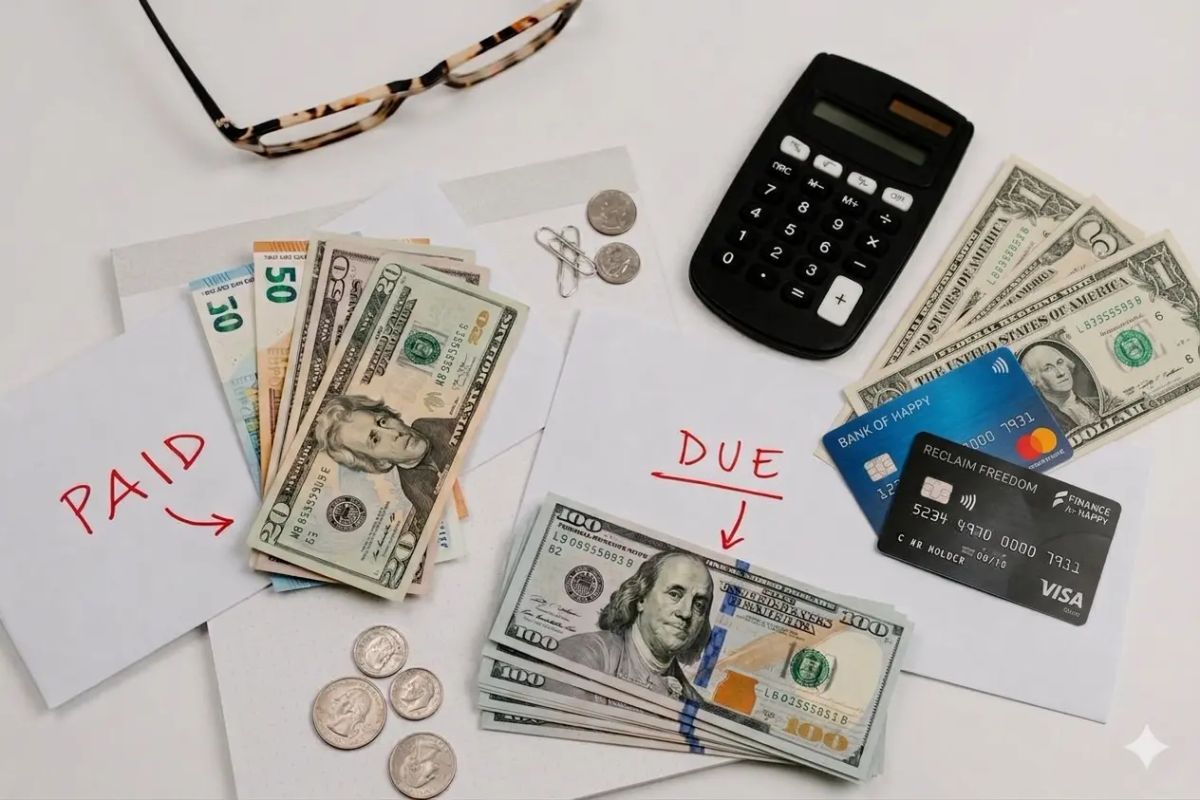
Debt is not merely a numbers game; to many it is a burden that is weighing down on your chest day after day. This guide is aimed at you because you are now making five payments to your credit card accounts, you are paying huge interest, and you are drowning in spite of your efforts.
My friend, being also a friend of mine, and knowing the math of money, I wish to tell you a thing: You are not alone, and there is a way out.
We shall venture into the matter of Debt Consolidation here in this detailed manual not as a boring financial concept, but as an effective psychological and mathematical weapon to assist you in halting the bloodshed and begin to accumulate wealth.
1. What is Debt Consolidation?
You will assume that you have five buckets, which are leaking water. You are desperately attempting to sew them all simultaneously, and you have two hands. Debt consolidation refers to the act of putting all those unsealed buckets and emptying the water into just a single, strong, and quality bucket.
Technically, it involves borrowing one new debt (with a lower interest rate) to repay all your smaller and high-interest debts (such as credit cards or payday loans).
The result?
- A single payment rather than five.
- A single due date rather than a dishevelled calendar.
- A single (low) interest rate rather than numerous high levels.
2. The Math Behind the Magic: Why it works.
We shall see what they are. In the USA and UK, most credit cards charge interest at a rate of between 18-29 percent. When you have a debt of 10,000 in multiple cards, you could be paying 2,500 a year in interest alone! You are not paying the real debt, you are only feeding the bank.
When you roll that up into a personal loan or a balance transfer card at 12 or 8% you will have an instant interest bill cut. The saved interest money can now be used to pay the principal balance. This is the way you survive and how you win.
3. UK and USA Market Strategic Tools.

In case you are residing in the high-cost area, there are certain tools available to you that can render the process of consolidation even more efficient:
A. Interest Balance Transfer Cards are 0%.
This is a ninja step to people who have fair credit. You can transfer your debts with high interest to a new card, which will charge you no interest over the 12-21 months. The entire amount of payment during this period is on the debt. The quickest method of killing debt, when you pay it off before the promo period expires.
B. Personal Loans, Fixed-rate.
When your credit rating is not ideal, then a fixed-rate consolidation loan can be more appropriate. It provides you with structured payoff date (e.g., 3 years or 5 years). You are well aware of when you will be free of debt.
4. The "Power Move" Consolidation, plus Snowball Method.

The majority believe that you have to make a choice between the Debt Consolidation and the Debt Snowball (paying the tiniest to the largest). I disagree. You are to use them both.
The "FinanceforHappy" plan is as follows:
- Consolidate: Combine your high interest mess in a single lower interest loan. This lowers your total monthly "minimum payment."
- Snowball: Take the additional cash you have just discovered (by reducing your interest) and charge it fiercely at the principal amount of that consolidated loan.
You can start by reducing the interest rate, which would make your Snowball a Avalanche of forward. You are not only paying the debt, but destroying it.
5. The Truthful Warnings: The Trap You Should Not Take.
I must tell you here I must be very real. Consolidation of debts is a mathematical solution yet debt is more of a behavioral issue.
The biggest mistake of people is as follows: They consolidate their credit card then a zero balance is displayed in their cards and then they begin to use these cards again. They now consist of a new consolidation loan and a new credit card debt.
This amounts to a bankruptcy recipe. The Rule: When you consolidate, you should freeze your cards. Cut them, place them in a drawer or lock them up. Do not use them until your consolidation loan is 100% paid off.
6. Step-by-Step: How to begin your consolidation journey.
Today, a step to take control is to follow these steps:
- Listing all Debts: List all the debts, the balance, and the interest rate. Be not averse to the figures.
- Check Your Score: Use a free tool to check your credit score. This informs you of what interest rate you are eligible at.
- Buy a Loan/Card: Find a Debt Consolidation Loan or a 0% Balance Transfer Card. Make sure there are no giant-origination fees that nullify your savings.
- Close the Loop: After the loan has been deposited into your account, use it to pay off the cards at once.
- Auto: Select your new, single payment as Auto-Pay.
7. Frequently Asked Questions (FAQ)
Q: Will debt consolidation hurt my credit score? A: At first, there may be a small dent because of the "hard inquiry" concerning the new loan. But since your credit usage decreases (since you now have 0 balance on your cards) your score will tend to soar even higher than before in a few months.
Q: Is it possible to consolidate with bad credit? A: Yes, but the interest rate will be larger. But it is typically still lower than the 29% that most "store" credit cards charge. You can also consider a secured loan in case you have assets.
Q: What is the difference between this and Debt Settlement? A: Debt settlement refers to you not paying any more and requesting the bank to accept less than you owe (which destroys your credit). Consolidation implies that you are to be accountable and repaying all the pennies, at a superior interest rate.
Q: Is consolidation fee charged? A: Some loans have an "origination fee" (usually 1% to 5%). APR (Annual Percentage Rate) contains these fees, and every time you need a loan, make sure to review it. And even when the APR is lesser than your existing credit card rates, then it is a win.
Stay happy and wealthy,
Finnly Joy.
Don't just manage your debt—destroy it. Check out our comprehensive guide on to pair with your consolidation plan.
Disclaimer: This article is for educational and motivational purposes only. I am not a financial advisor. Credit cards involve financial risk; please conduct your own research or consult a professional before making major financial moves.